Casey Perry · 3 November 2026
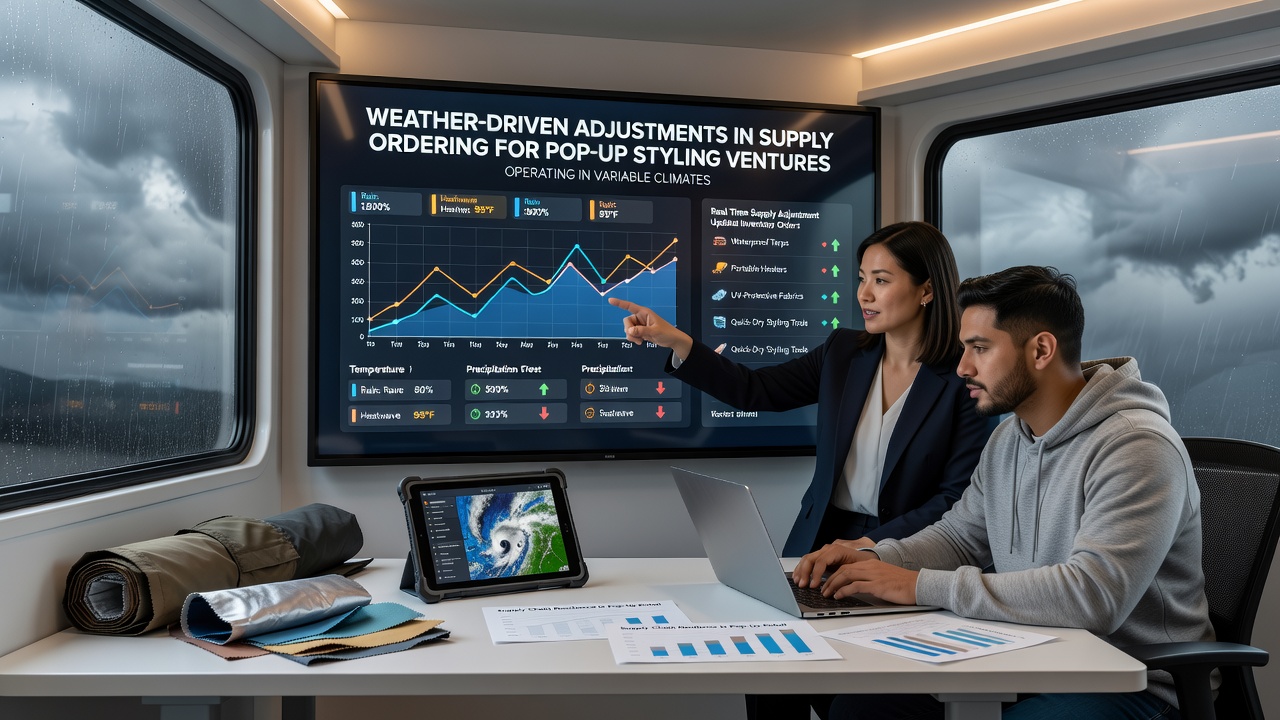
Weather-Driven Adjustments in Supply Ordering for Pop-Up Styling Ventures Operating in Variable Climates
Pop-up styling ventures in regions with shifting weather patterns rely on precise supply ordering strategies that respond directly to forecast data and historical climate records, and these operations adjust inventory levels for hair products, tools, and protective materials based on temperature swings, precipitation changes, and humidity fluctuations. Data from national meteorological agencies shows that coastal and mountainous areas experience rapid condition shifts within single days, which forces managers to reorder items like humidity-resistant serums or insulated storage units weeks ahead of projected events rather than reacting after sales drop.
Forecast Integration in Ordering Cycles
Operators track weekly outlooks from sources such as the National Oceanic and Atmospheric Administration to predict demand spikes for specific items, and when models indicate prolonged dry spells, orders for lightweight styling creams increase while heavier protective coatings decrease. Research from the Australian Bureau of Meteorology indicates that variable climates produce measurable correlations between rainfall totals and product usage rates, which allows ventures to scale shipments of water-resistant sprays during wetter periods without accumulating excess stock that expires in storage.
November 2026 brings transitional patterns across many temperate zones, where early winter fronts combine with lingering autumn moisture, and analysts note that ventures in these zones have begun pre-ordering extra heating tools adn dehumidifier packets based on extended-range forecasts issued months earlier. This timing aligns with documented supply chain lead times that average four to six weeks for specialty beauty imports, so adjustments made in late summer directly influence availability during the November window.
Regional Climate Data and Inventory Scaling
Studies compiled by the World Meteorological Organization reveal that humidity levels above 70 percent accelerate frizz-related product turnover by up to 40 percent in trial markets, prompting pop-up teams to increase those orders while reducing quantities of oil-based treatments that perform poorly in damp air. Ventures operating across multiple sites use centralized dashboards that pull real-time readings from regional stations, and this setup lets them reroute shipments between locations when one area faces unexpected cold snaps that boost demand for thermal protectants.
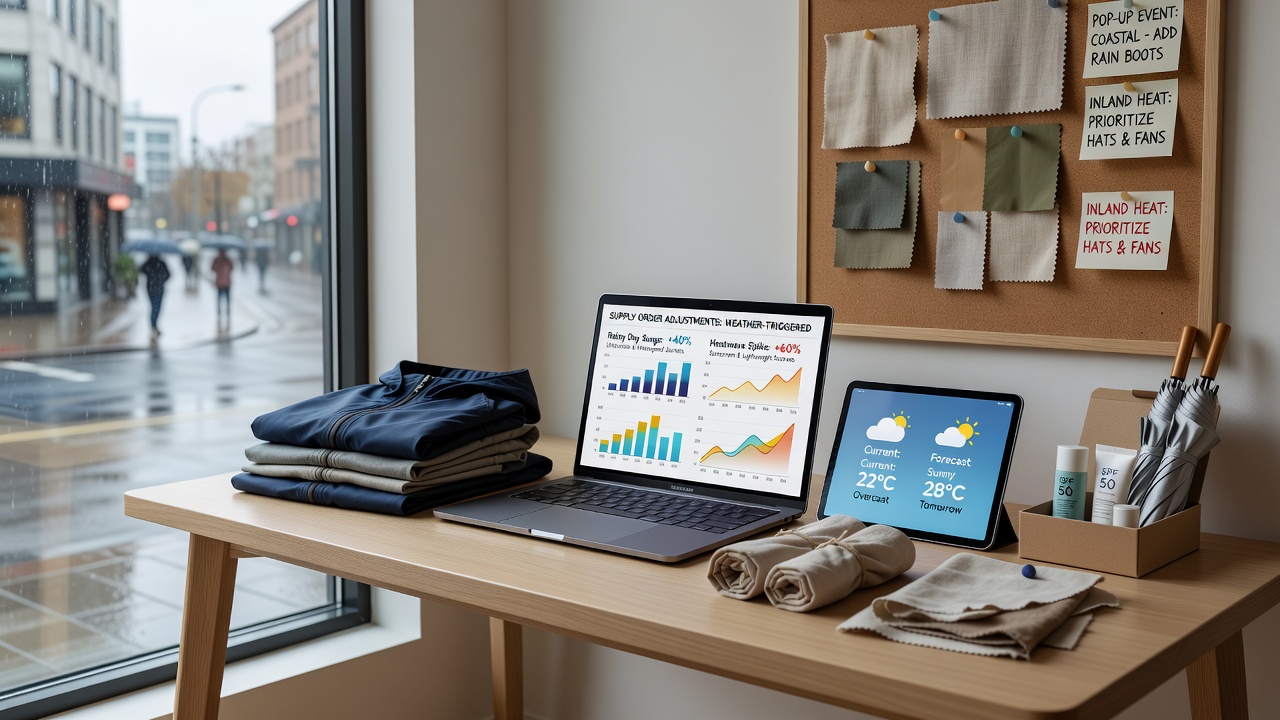
Take one group that tracked three consecutive seasons in the Pacific Northwest and discovered that wind events above 25 miles per hour correlated with higher sales of hold sprays and lower sales of loose powders, which led them to build automated reorder triggers tied to wind speed thresholds. Those who've examined similar datasets across Canadian prairie provinces report parallel patterns where sudden temperature drops prompt bulk purchases of warming capes and portable heaters well before the actual weather arrives.
Supply Chain Lead Time Management
Variable climate zones create longer average delivery windows for temperature-sensitive goods, and operators therefore maintain buffer inventories calibrated to forecast confidence intervals rather than fixed calendars. Figures released by Environment and Climate Change Canada show that autumn-to-winter transitions produce the widest forecast variance, which increases the risk of both stockouts and overstock when orders remain static. Ventures counter this by splitting large orders into phased shipments that activate only after updated model runs confirm the initial projection.
One documented case involved a network of temporary salons that adjusted their November 2026 supply allocations after September model runs indicated stronger than average Pacific storm activity, and this shift resulted in higher volumes of waterproof tool cases alongside reduced quantities of open-air display fixtures. Observers note that such proactive scaling depends on consistent access to high-resolution climate datasets that smaller operators obtain through partnerships with regional universities conducting applied meteorology research.
Conclusion
Weather-driven supply adjustments for pop-up styling ventures rest on the integration of verified meteorological records with operational timelines, and the approach yields measurable reductions in waste while maintaining product availability across fluctuating conditions. Continued refinement of these methods draws from expanding datasets that cover both short-term events and multi-year climate trends, which supports more accurate forecasting for seasonal periods such as the November 2026 transition window.