Yara Wolf · 20 October 2026
How Past Booking Patterns Influence Supply Chain Decisions in Independent Styling Studios
Independent styling studios track client appointments over multiple seasons to forecast demand for hair color, tools, and protective supplies, and this data directly shapes how much inventory they order from distributors each quarter. Patterns emerge when researchers examine appointment logs from the previous two years, revealing spikes in services like balayage during summer months and corrective treatments in early fall, which then guide precise restocking schedules rather than relying on estimates.
Historical Data as a Planning Tool
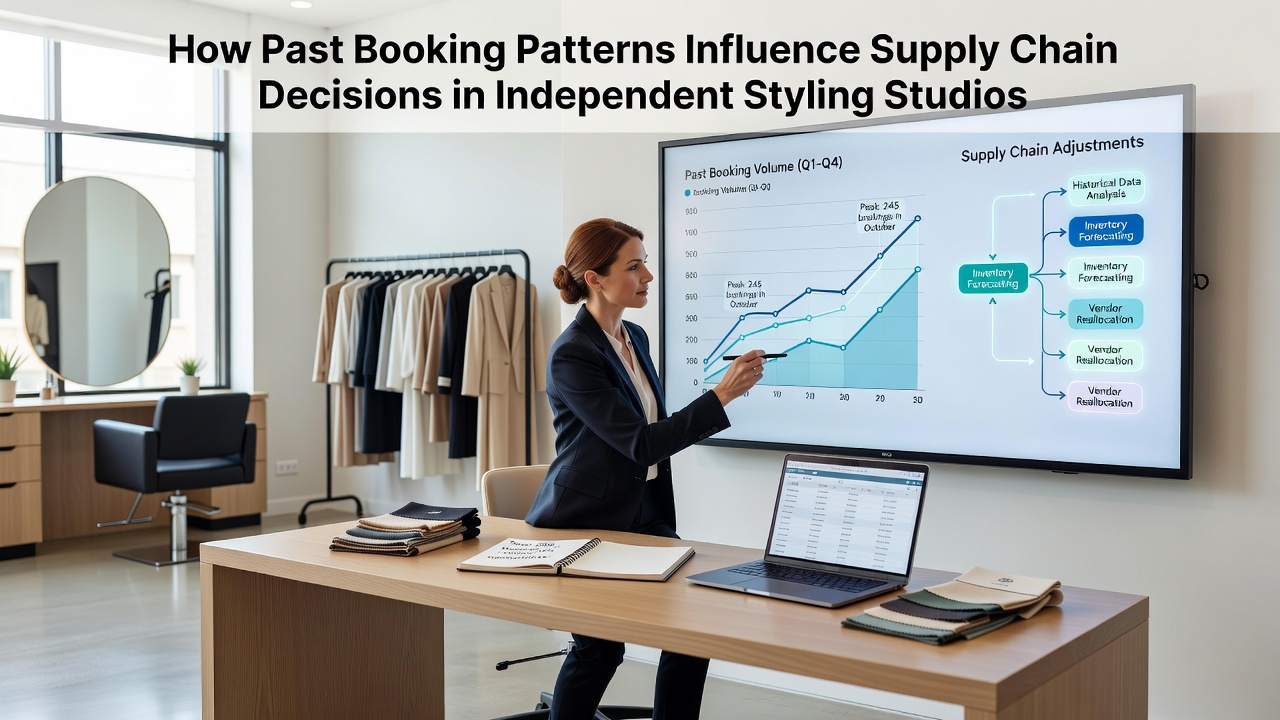
Studios compile service histories into spreadsheets that highlight recurring client preferences, and these records show how many color formulas get used per week during peak periods. One analysis of booking software from several small venues found that October appointments for keratin treatments rose 22 percent year over year in 2024, prompting owners to increase orders for smoothing products three months in advance. Such figures allow managers to align deliveries with actual usage instead of overstocking shelves.
Inventory Adjustments Based on Trends
When past bookings indicate steady demand for a particular shade or treatment line, studios shift from bulk quarterly purchases to smaller, more frequent shipments that reduce waste and storage costs. Data from the US Small Business Administration illustrates how micro-enterprises in the personal care sector cut excess inventory by 15 percent after implementing pattern-based ordering systems. Those adjustments also account for lead times, since dye manufacturers often require four to six weeks for custom formulations.
Supplier Relationships and Ordering Cycles
Distributors respond to studios that present clear historical usage reports by offering priority allocation during material shortages, and this collaboration becomes especially valuable when booking software flags an upcoming surge in chemical services. In regions like Canada, small business surveys conducted by Statistics Canada indicate that salons sharing appointment analytics with vendors secure better pricing on repeat orders. The process creates tighter coordination because suppliers gain visibility into projected volumes months ahead.
Studios further refine these decisions by cross-referencing cancellation rates with product consumption, which reveals whether certain services generate consistent revenue or merely tie up capital in unused stock. Observers note that venues maintaining three years of digital records achieve more stable supply levels, since the longer dataset smooths out anomalies caused by one-off events like local festivals or weather disruptions.

Seasonal Patterns and October 2026 Projections
By October 2026, many independent studios will review booking data from the prior autumn to anticipate holiday-driven demand for color corrections and party-ready styles. Research from the Australian Bureau of Statistics on retail service businesses shows that venues using multi-year trend analysis maintain 18 percent lower stockouts during peak months compared with those relying on single-season estimates. This approach also helps managers negotiate staggered payment terms with suppliers when they can demonstrate predictable order volumes.
Operational Examples from the Field
Take one studio that noticed a 30 percent increase in men's grooming appointments every January after examining three prior years of records; the owner began pre-ordering specific clipper blades and beard oils in November to avoid delays. Another venue tracked a decline in permanent wave services and reduced related chemical purchases accordingly, freeing budget for trending hair extension supplies that appeared more frequently in recent bookings. These shifts demonstrate how granular appointment data translates into measurable changes along the supply chain.
Challenges in Data Application
Even with solid historical patterns available, studios sometimes face sudden shifts caused by new product launches or changes in client demographics, and these variables require ongoing monitoring rather than static forecasts. Reports from the European Foundation for the Improvement of Living and Working Conditions highlight that smaller beauty businesses benefit most when they combine booking software with simple dashboards that flag deviations from expected trends within weeks. Staff training on interpreting these dashboards further improves the accuracy of supply orders over time.
Conclusion
Past booking patterns provide independent styling studios with measurable inputs for inventory planning, supplier negotiations, and waste reduction across the supply chain. When studios integrate appointment histories with delivery schedules, they achieve steadier product availability and more predictable operating expenses. Continued analysis of these records, including data leading into October 2026, supports tighter alignment between client demand and resource allocation in this sector.