Amir Schmidt · 17 November 2026
Examining Integration Patterns Between Virtual Try-On Technologies and Traditional Service Booking in Hair Care Applications
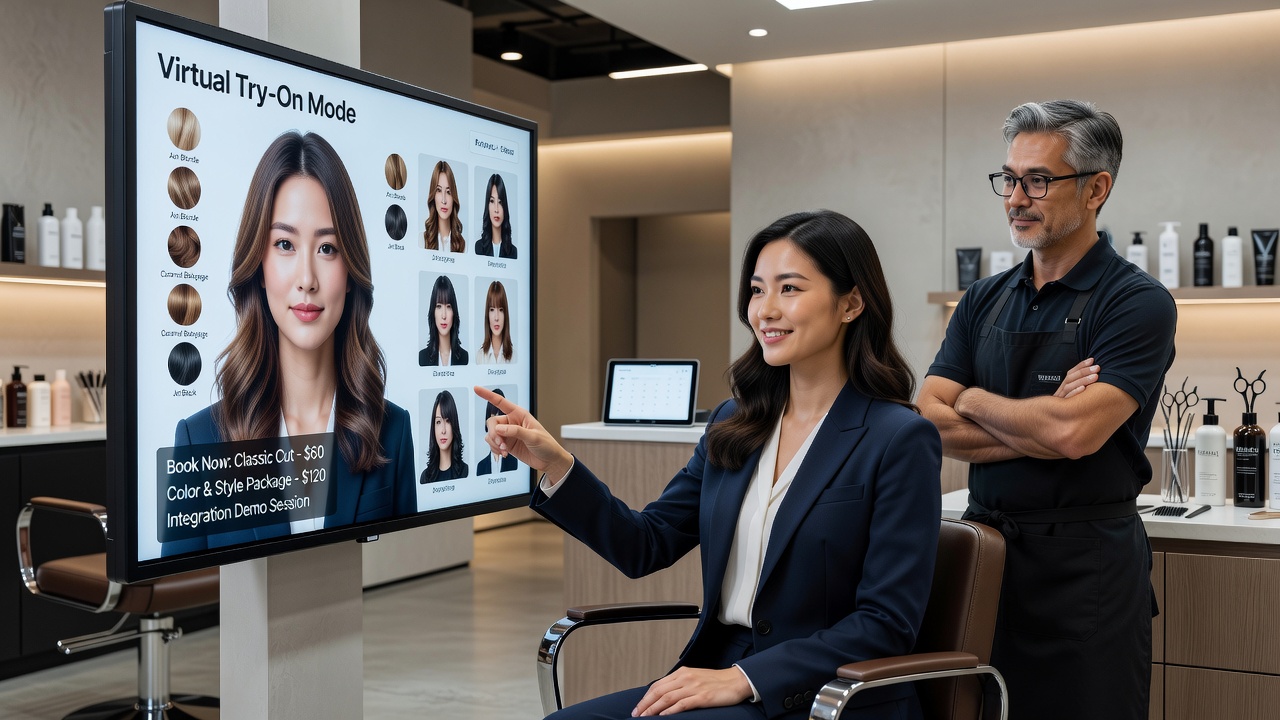
Virtual try-on tools have moved from experimental features to standard components in many hair care platforms, where augmented reality overlays let users preview color changes, cuts, and styling effects before committing to appointments. These systems connect directly with booking modules so that a selected style can trigger time slot suggestions, stylist matching, and inventory checks for required products in one continuous flow.
Core Integration Mechanisms
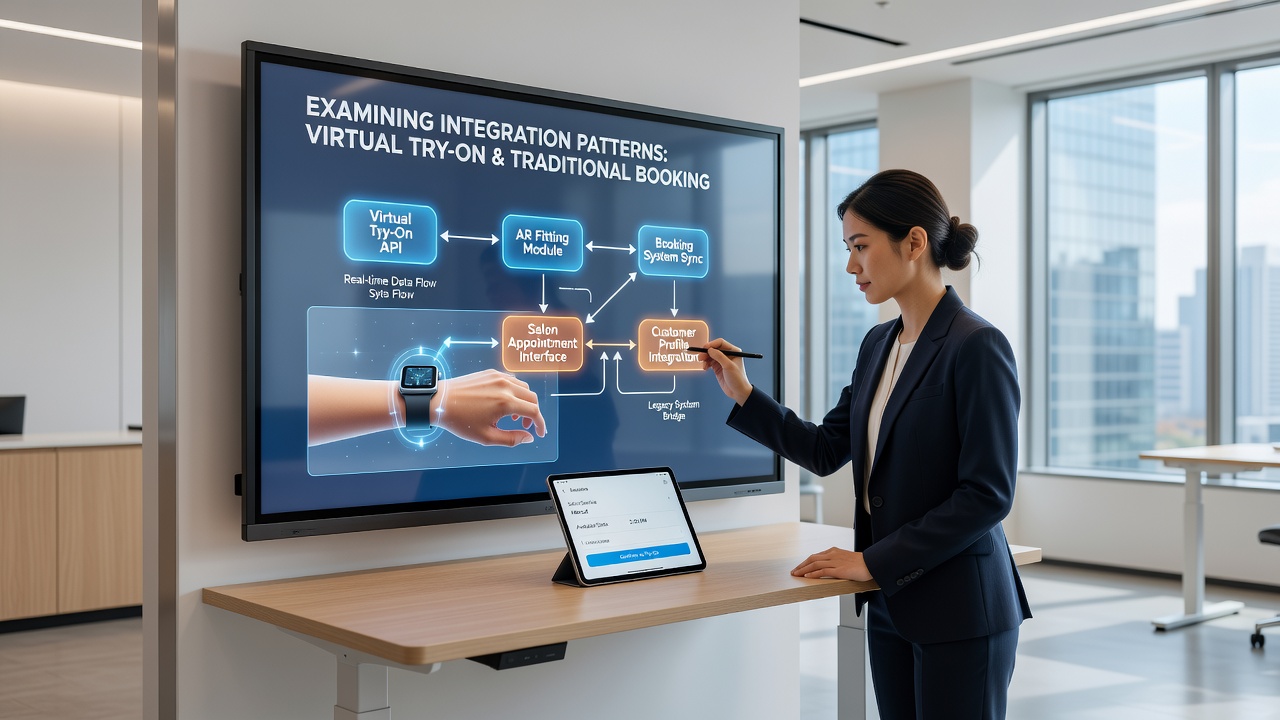
Developers link the try-on engine to the scheduling database through APIs that pass style parameters such as length, shade codes, and product volume directly into the appointment record. When a user applies a filter in the virtual mirror, the platform updates available slots based on stylist certifications and chair availability, while also flagging any back-bar items that need reordering. Data from these sessions show that sessions completed with a try-on step convert to confirmed bookings at higher rates than those started through the calendar alone, according to figures released by the Professional Beauty Association in its 2025 digital adoption survey.
Platforms in North America and the European Union have adopted similar patterns, although the regulatory emphasis differs. In the United States, the Federal Trade Commission guidelines on digital advertising influence how before-and-after images are presented, whereas the EU’s digital services framework requires clearer disclosure of algorithmic recommendations that steer users toward particular stylists or time blocks.
Observed Usage Patterns in 2025-2026
Usage logs from mid-sized salon chains indicate that peak try-on activity occurs between 7 p.m. and 10 p.m. on weekdays, with users often returning the next morning to complete the booking. November 2026 is expected to bring a wave of platform updates timed with holiday demand forecasting tools, as several vendors plan to release seasonal color palettes that sync automatically with appointment calendars. Researchers tracking these updates note that the combination reduces no-show rates because clients receive reminder images of the chosen style alongside the confirmation message.
One independent venue in Melbourne documented a six-month pilot in which virtual previews were mandatory for all new color clients; the study recorded a measurable drop in corrective appointment requests after the feature went live. Similar trials in Toronto and Stockholm have produced comparable service history data, suggesting teh pattern holds across different market sizes.
Data Flow and Resource Allocation
Once a try-on selection is saved, the system cross-references it with historical service durations stored in the booking software. Longer color processes automatically reserve additional chair time and alert inventory systems to allocate the correct developer strength. This closed loop allows managers to adjust daily staffing sheets without manual recalculation, and the same data set feeds weekly supply orders. Industry reports from the Australian Hair and Beauty Industry Association indicate that salons using this level of integration maintain lower product waste percentages than those relying on separate try-on and scheduling tools.
Security protocols require that images generated during try-on sessions remain linked to the client profile only until the appointment concludes, after which the files are archived or deleted according to each platform’s privacy settings. Compliance teams at both U.S. and EU-based providers have published technical white papers outlining encryption standards that meet these requirements while still permitting aggregate analytics for demand forecasting.
Future Development Directions
Work is underway to embed live video consultation modules that let stylists adjust virtual parameters in real time while the client books. Early tests show that these hybrid sessions shorten the in-salon consultation phase because the style parameters are already locked into the appointment record. Hardware improvements in mobile depth sensors are also expected to increase rendering accuracy, particularly for textured hair types that current algorithms sometimes flatten.
Observers tracking salon software road maps note that integration between try-on outputs and supply-chain modules will likely expand in the coming year, allowing automatic reordering triggers when a popular shade runs low across multiple locations. These connections rely on standardized data schemas that several major vendors have begun to adopt following workshops hosted by the National Institute of Standards and Technology.
Conclusion
The patterns emerging from current deployments demonstrate that virtual try-on and traditional booking functions operate most effectively when treated as a single data pipeline rather than separate modules. As more platforms release updates scheduled for late 2026, the volume of measurable interactions between preview selections and confirmed appointments is projected to grow, providing further datasets for refining both user interfaces and operational forecasts.